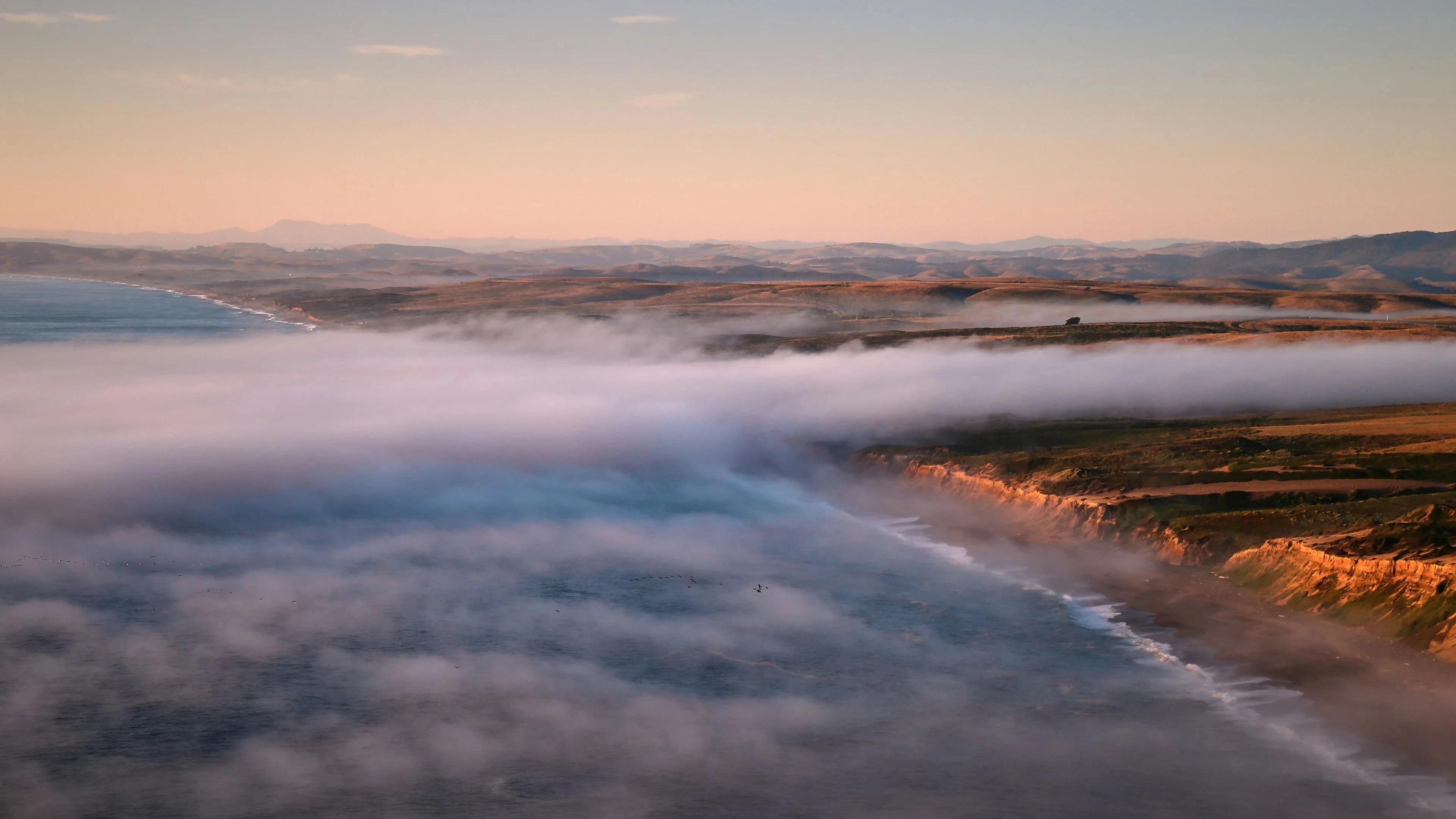
The horses have to move.
You go with them.
This is not a riding itinerary built around guests.
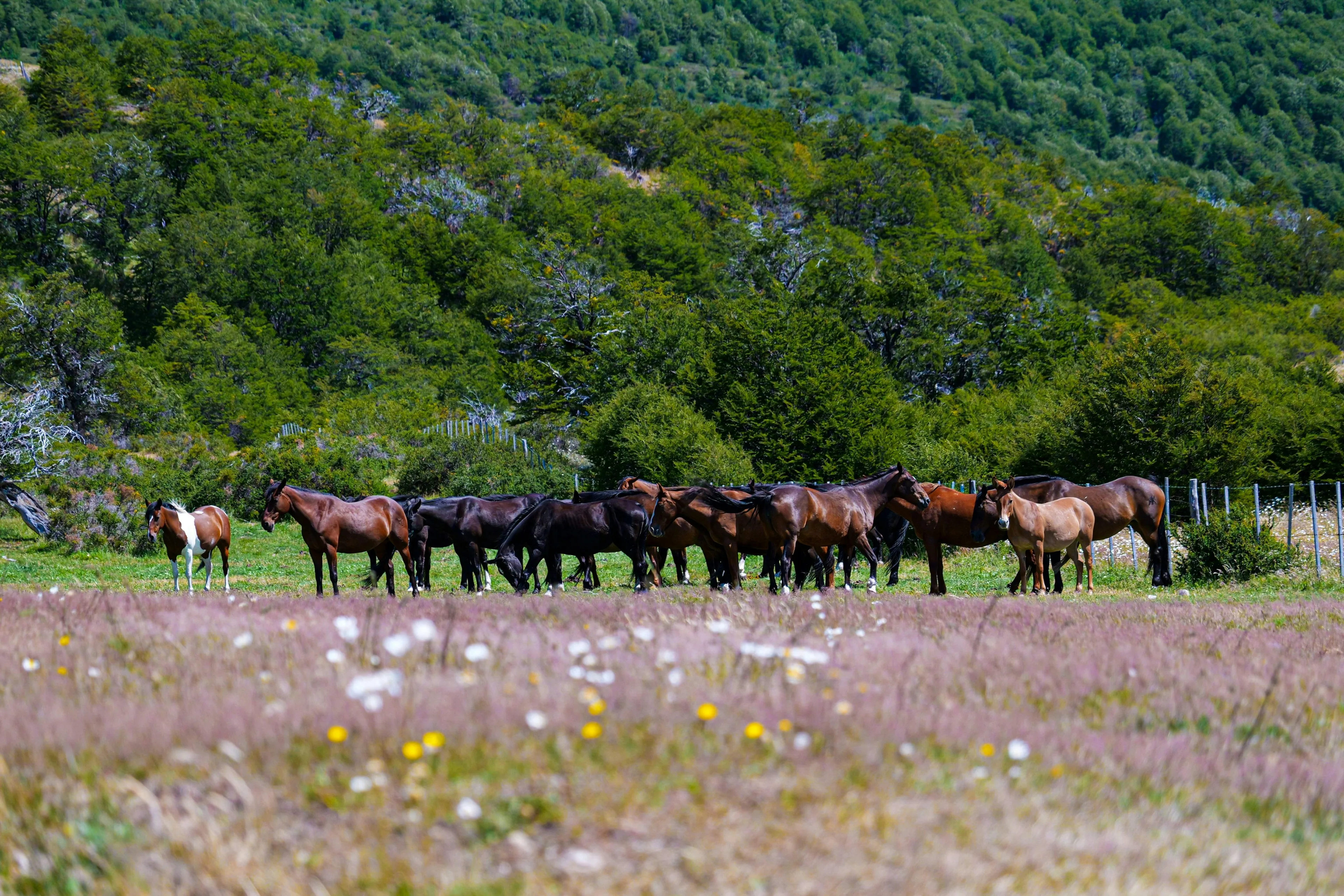
A working remuda is due to move across Patagonian country. The horses determine the route, the pace and where the day ends.
You join the people who already know how to move them.
The work exists first.
The journey follows it.
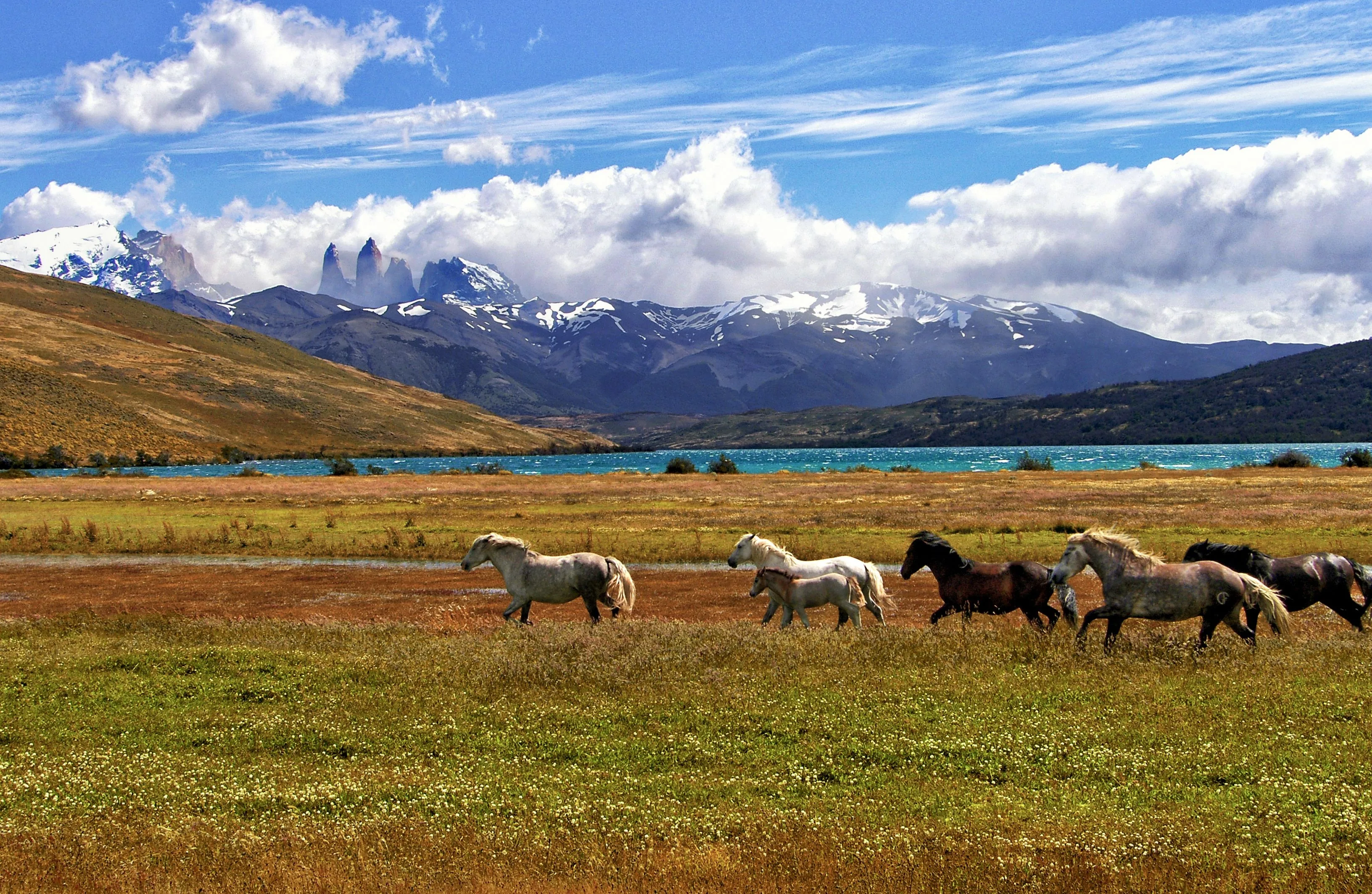
02 / Terrain & movement
The Line
Enter Patagonia.
Join the work.
Return to the wild.
01 / 06 · Entry
The Way In
Scroll to follow the route · Select a chapter to explore
The work would happen without you.
Your role must be useful.

Chapter I / Fjord country
The Way In
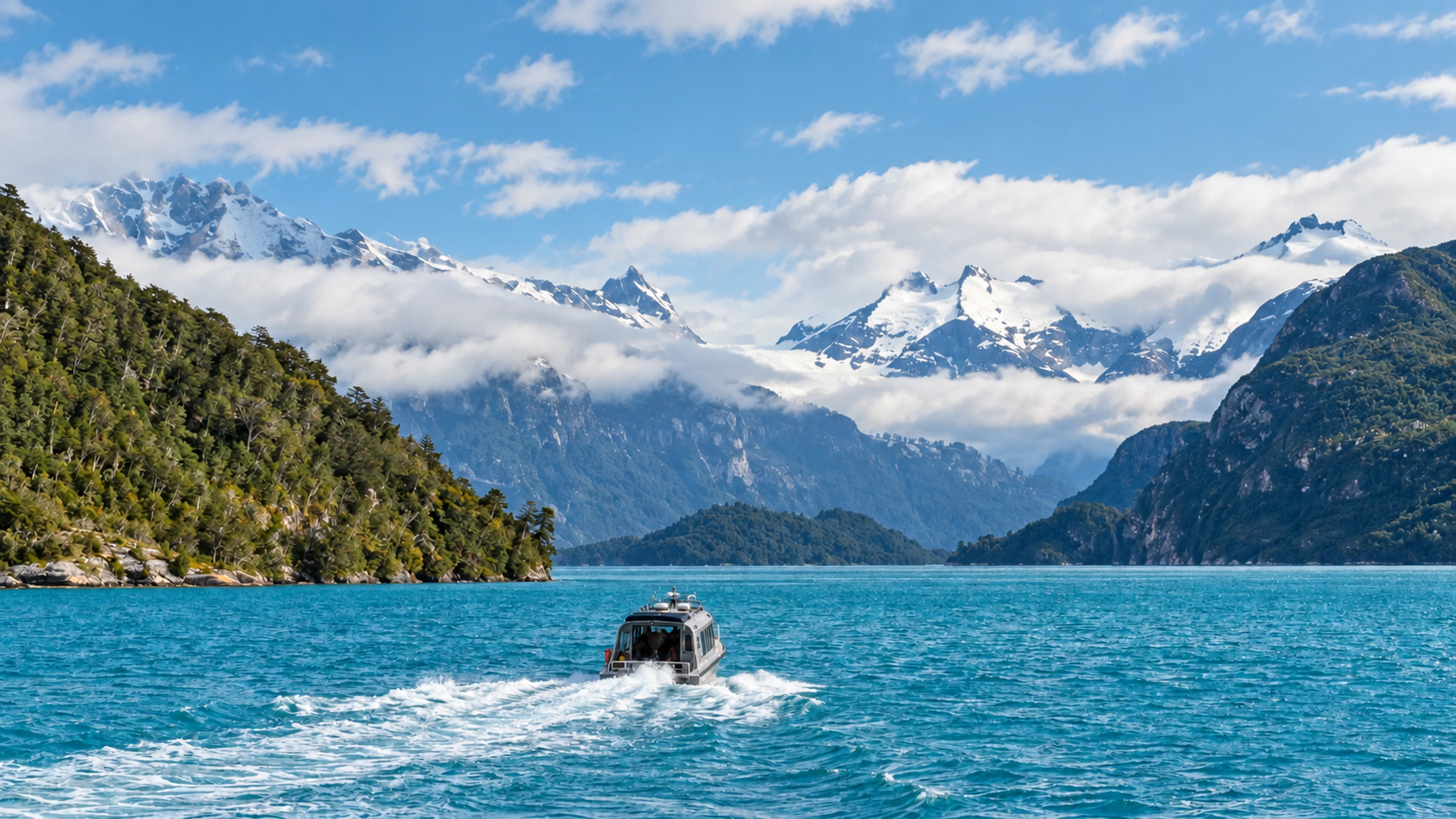
Patagonia begins before the horses appear. Enter through the fjord country, moving past cold water, glacier-fed landscapes and mountains rising directly from the shore. By the time you reach the working estancia, the road already feels a long way behind you. The horses are waiting farther in.
Chapter II / Rider assessment
Find Your Role
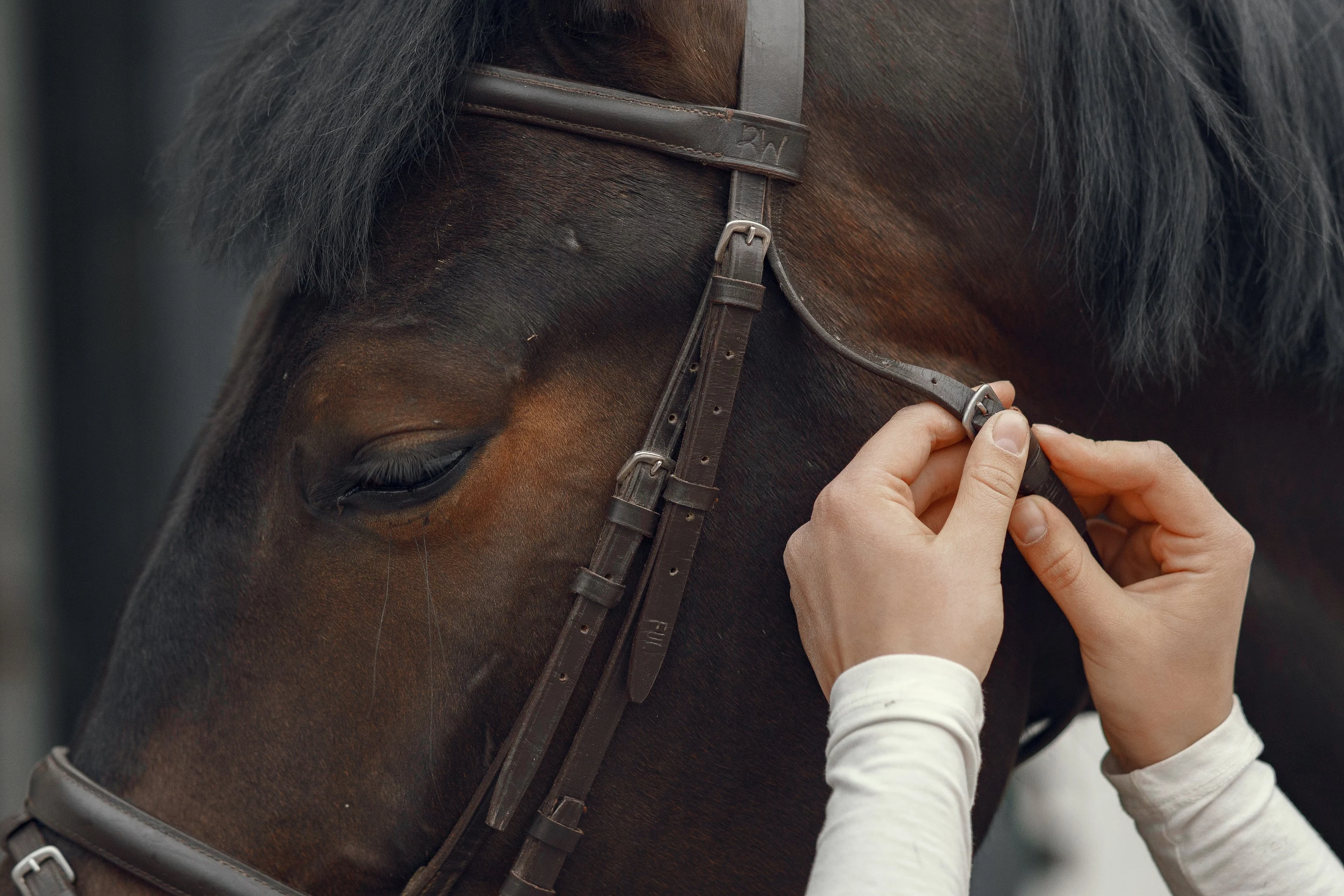
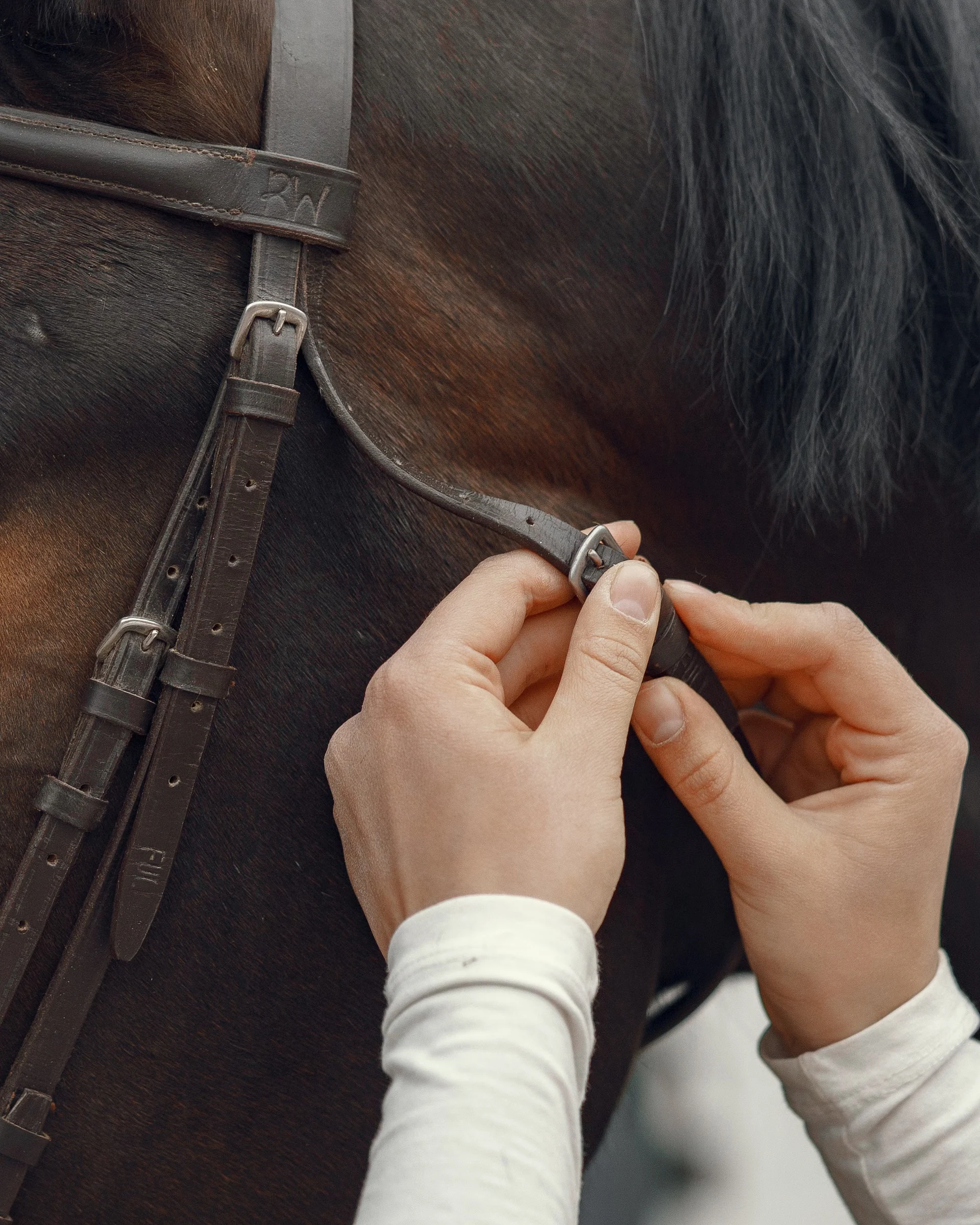
You do not begin by pretending to know the work. First, ride.
The local horse team watches how you sit, control pace, respond to terrain and communicate with the horse beneath you. Then the assignment is made.
Horse first. Role second.
The gauchos do the real work.
You earn a place inside it.
Chapter III / Bring the horses together
Gather
The horses are not waiting in a line.
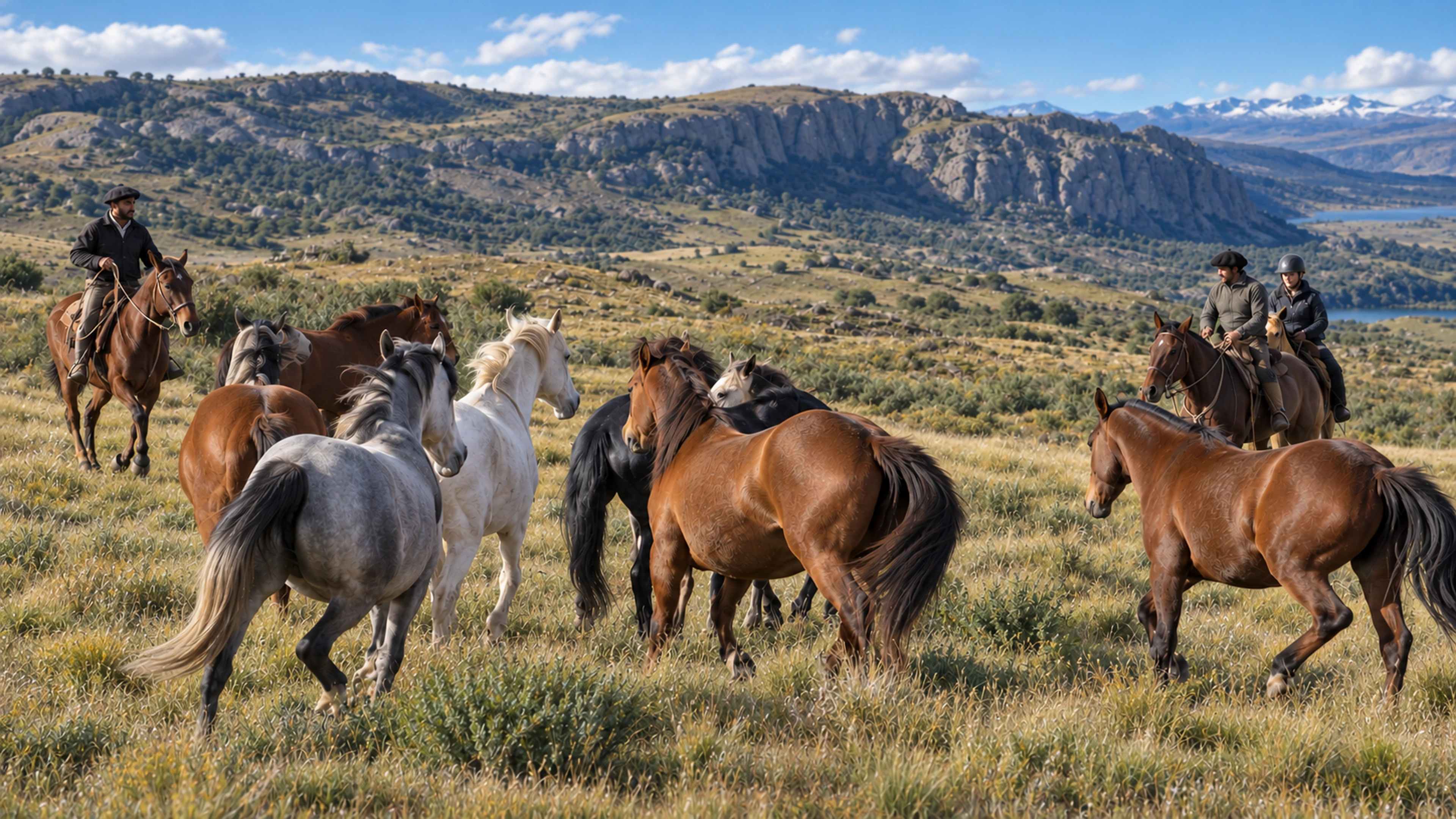
Ride out with the gauchos and find them.
Bring the scattered groups together, organise the remuda and prepare the horses that will move across the country.
When the herd takes shape, the work begins.

Chapter IV / With the herd
Move the Remuda
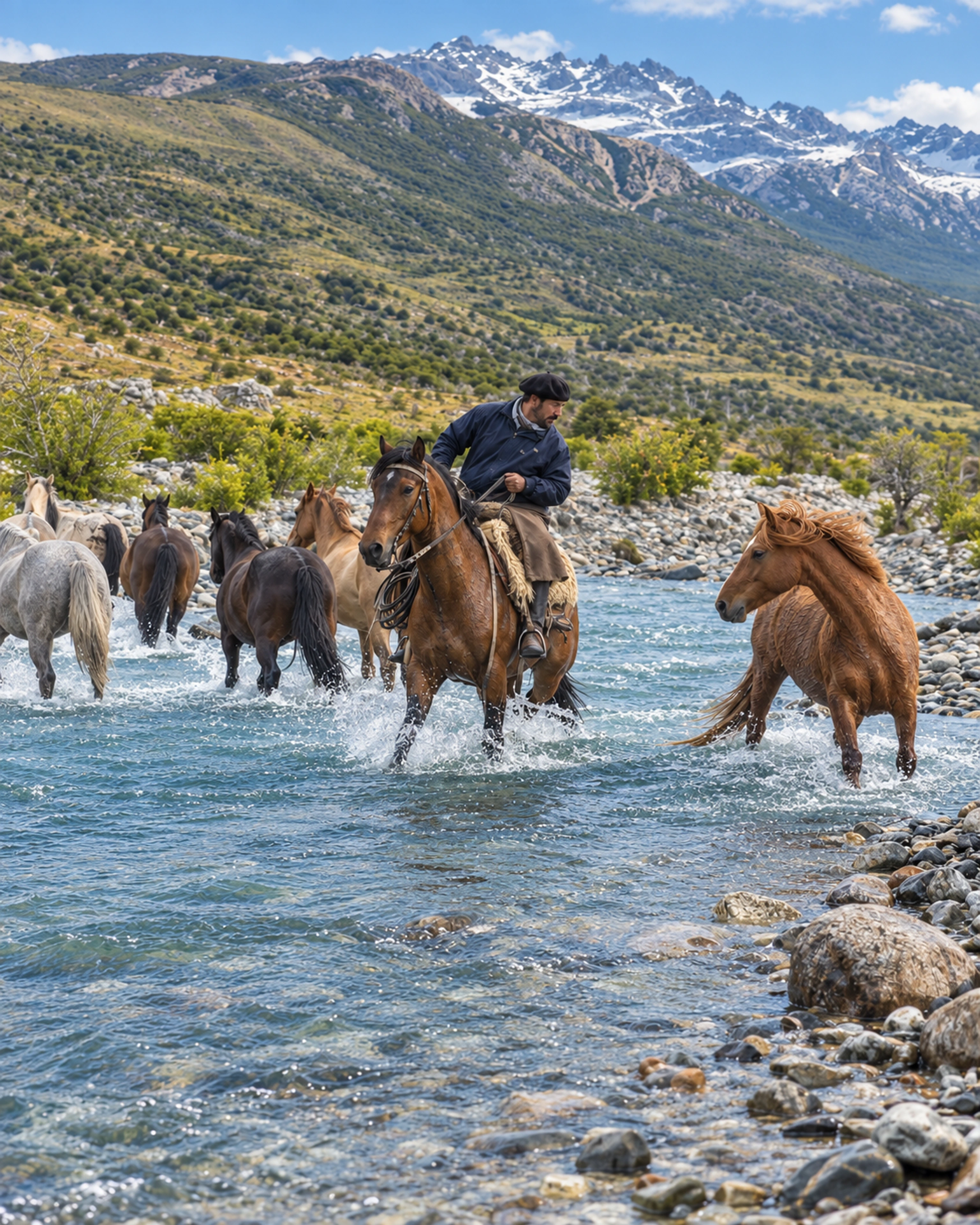
The remuda has somewhere to be. Move with the gauchos across open Patagonian country as the herd begins the long journey toward the far end. The exact role depends on ability. The objective does not. Keep the horses moving.
Chapter V / Keep the movement together
Hold the Line
Moving horses is easy until the horses stop moving together.
Terrain narrows. A river changes the line. Wind unsettles the remuda. Individual animals begin to spread.
The gauchos make the decisions.
When invited, capable riders help hold a side, bring stragglers back and keep the movement together.
Nothing here is staged for the guest.
Chapter VI / Camp follows the work
Where the
Animals Stop
The day does not end because a hotel reservation says it should. It ends where the horses stop.
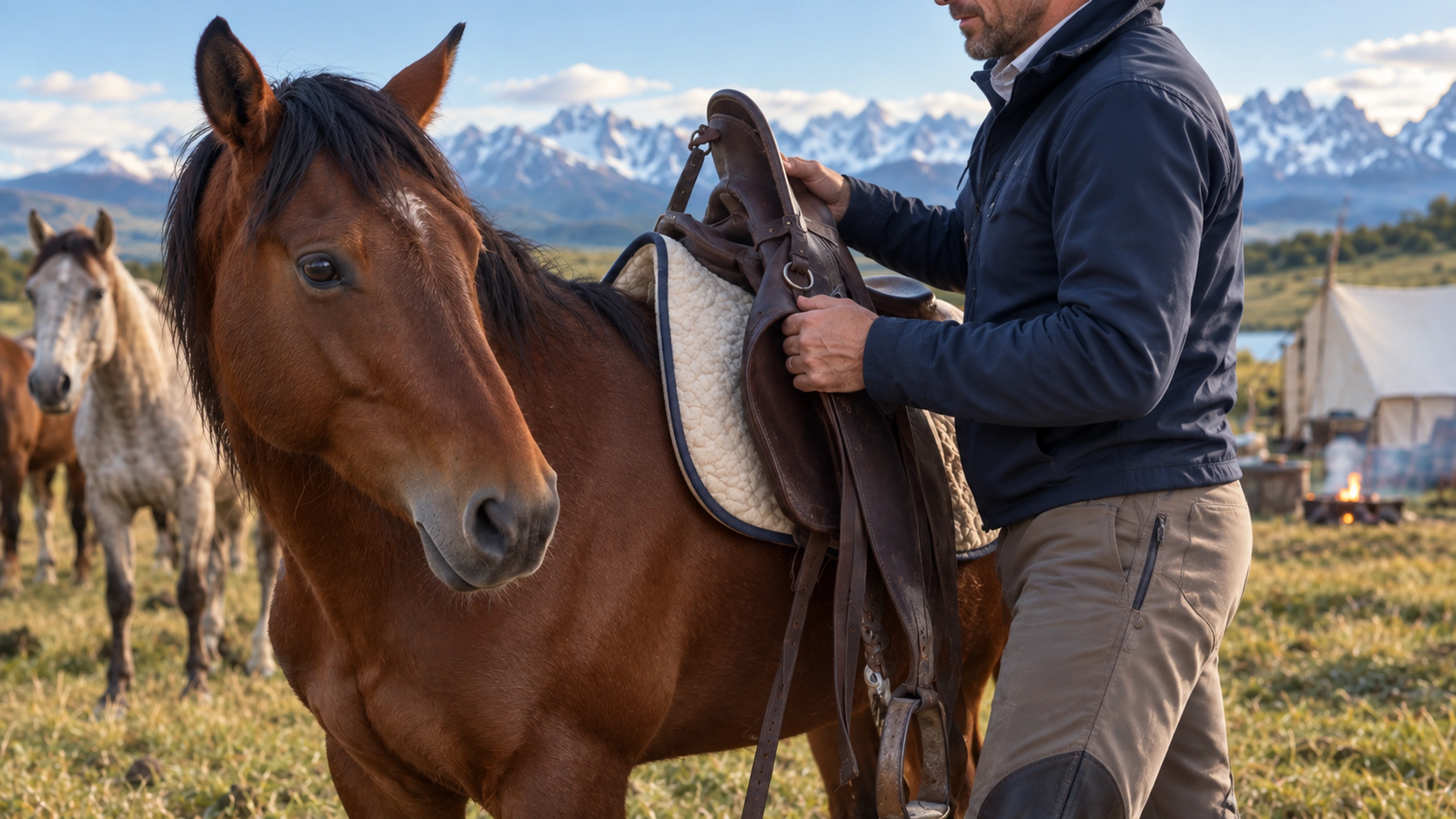
Unsaddle. Check the animals. Let the remuda settle. Then step away from the work.
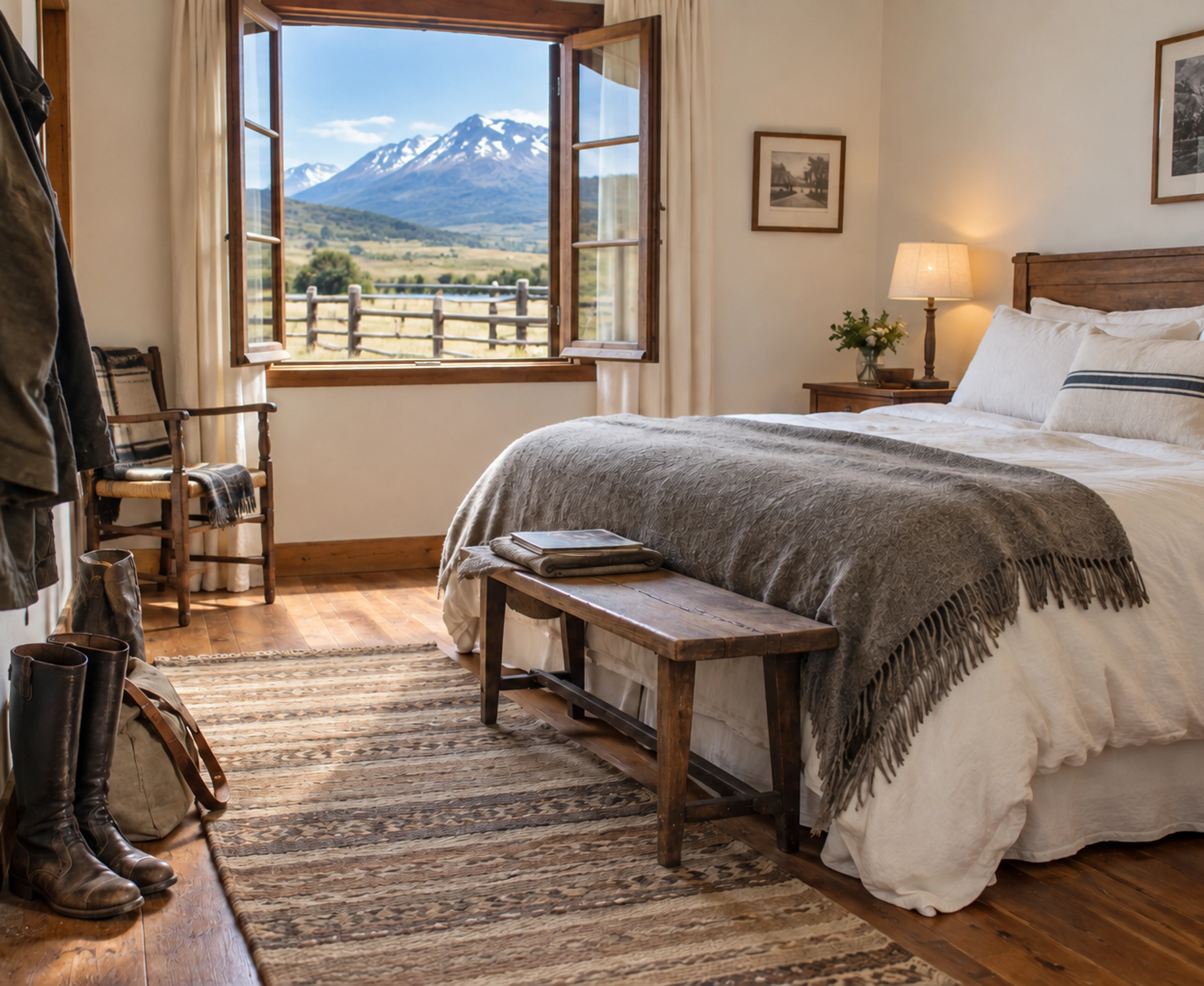
Your luggage is already there. Wet gear is dealt with. Food is on the fire. A proper place to sleep is waiting.
The horses decide where the journey goes. Orange Flint makes sure comfort meets them there.
Chapter VII / Complete the work
The Handover
The final kilometres are quieter. The destination is no longer a point on the map. It is the place these horses were supposed to reach.
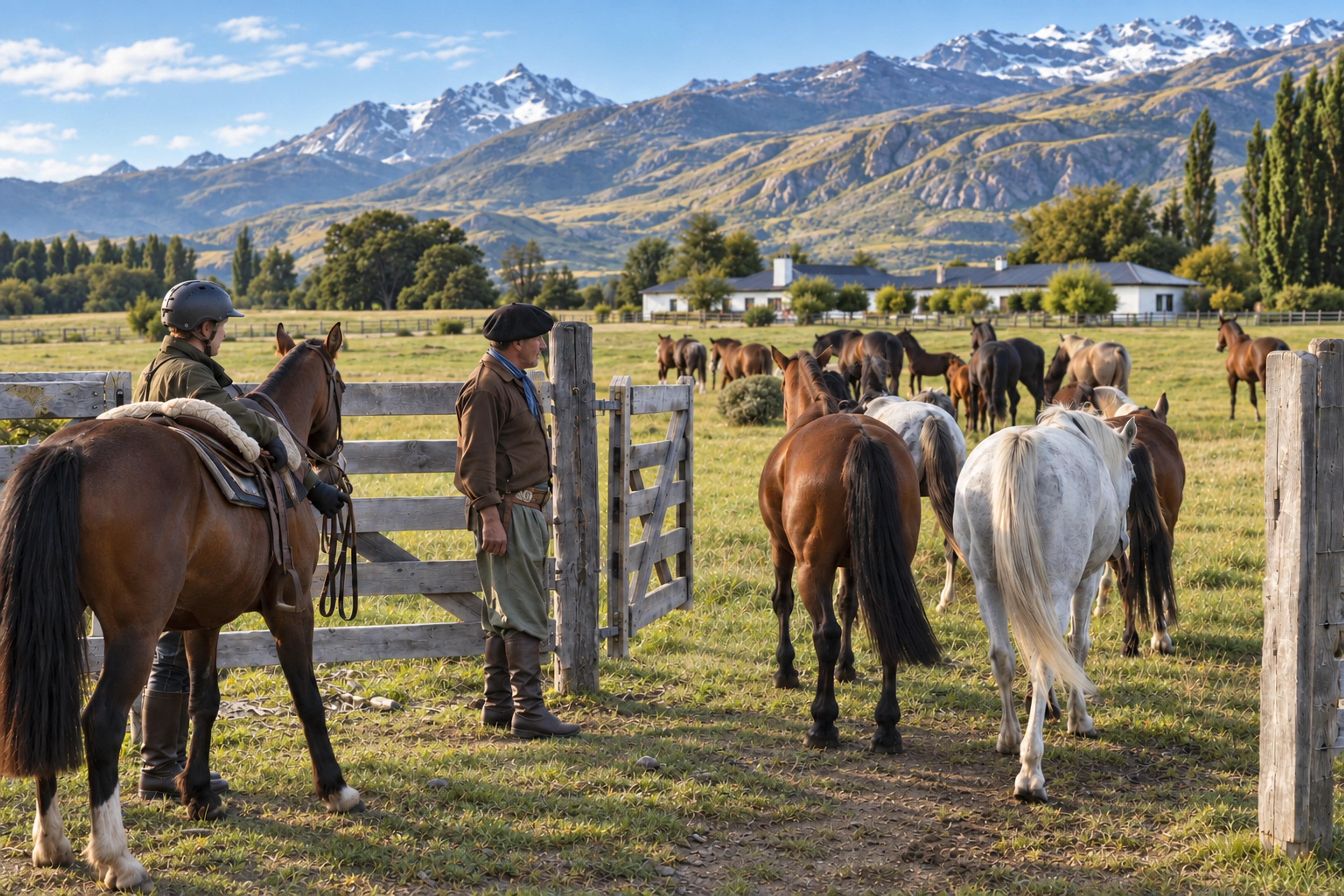
Bring the remuda through the gate. Let the local team settle, count and sort the animals, then hand responsibility back to the people who care for them here.
The horses are here.
The work is done.

Chapter VIII / One final morning
The Search
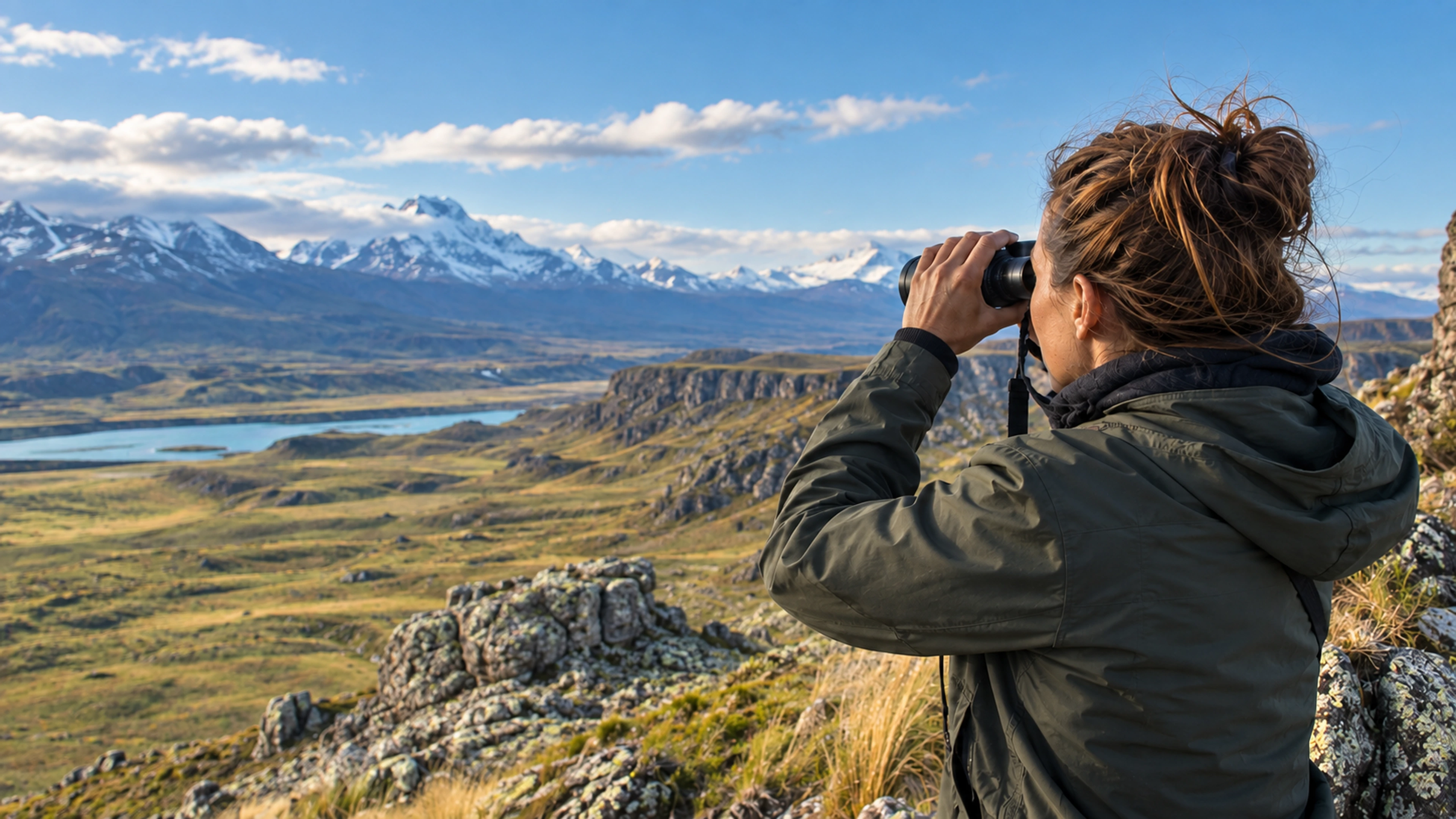
The work is finished. Before leaving Patagonia, spend one final morning reading the same country for an animal that belongs to no one. A specialist tracker leads the search. Fresh sign. Terrain. Movement. Waiting. There is no guaranteed sighting. That is the point. For days, you moved animals through the landscape. Now you wait for one that belongs only to it.
The Stay &
Food
You do not ride back to comfort. Comfort moves forward to meet you.
Long days in the saddle should end well. Food is generous, fire matters and sleep matters more. The hospitality follows the work rather than interrupting it — estancia rooms where they make sense, moving camp where the horses require it, and proper recovery every night.
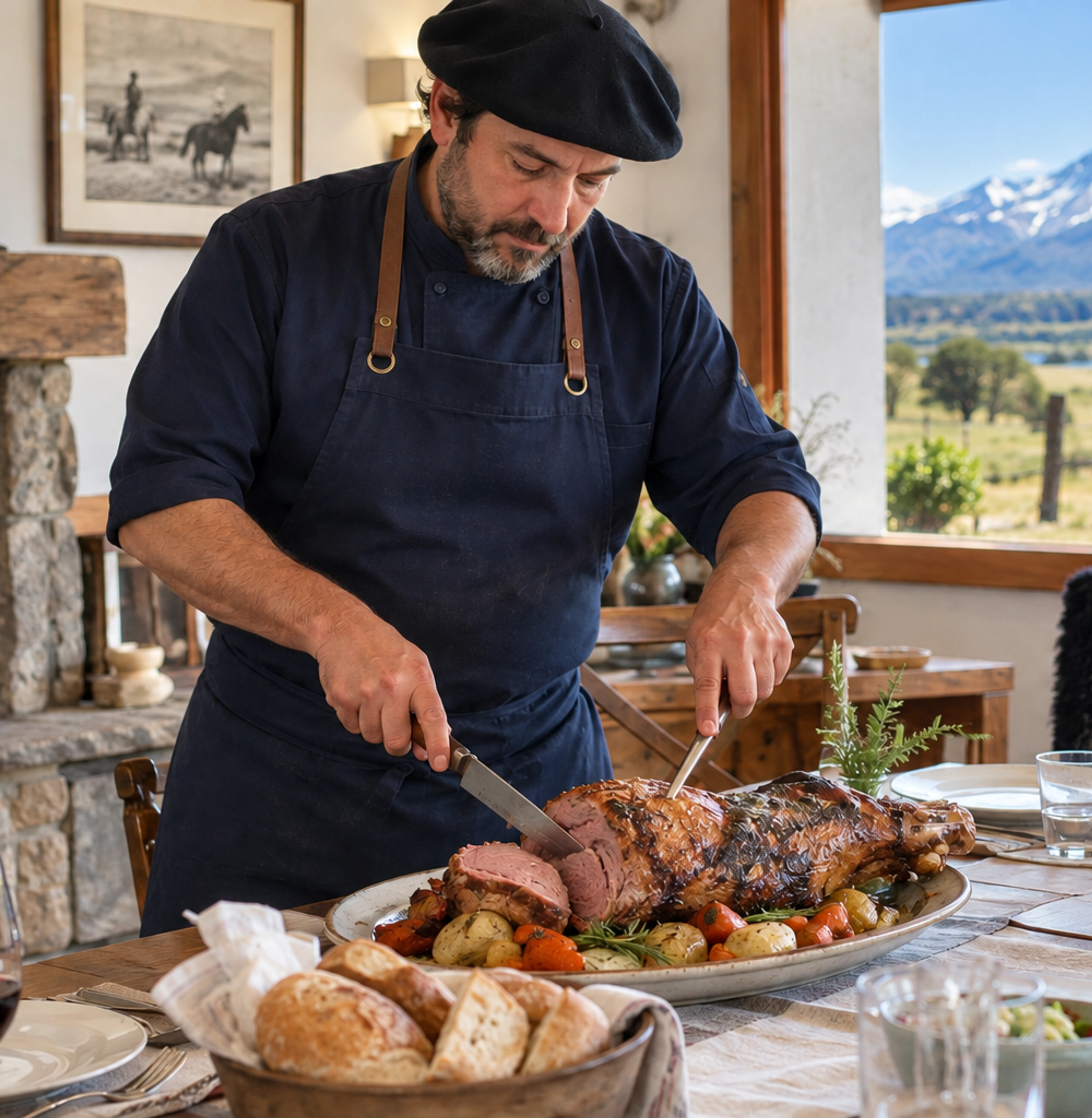
You feel the work. Not the logistics.
The remuda sets the route
The remuda determines where the journey goes. Everything else moves around it.
Luggage travels ahead
Your luggage travels ahead. Camp and food meet the route where the horses stop.
Support follows the work
Riding equipment, recovery and support are handled around the work rather than asking the work to fit a hotel schedule.
You stay inside the movement
You stay inside the movement. We carry the complexity around it.
Safety
The work is real, but participation remains controlled. The local horse team retains authority over the animals, route and each guest’s role. Weather, terrain and horse behaviour may change the exact plan. The aim is genuine participation, not manufactured risk.
What to know before you go
- When does it run?
- Departures follow genuine horse movements and the estancia calendar. Availability is by request; the work determines the date.
- What riding experience do I need?
- Intermediate to experienced riders are expected. A riding assessment determines the horse and role suited to your ability.
- What will my role be?
- The local horse team assigns each role and retains authority throughout. Guest participation adapts to ability, conditions and the welfare of the horses.
- How demanding is it?
- Expect long, active days in the saddle over changing terrain. We discuss your riding experience and physical readiness before confirming a place.
- Where will we stay?
- Estancia rooms and supported moving camps follow the needs of the horse movement. The overnight arrangements are confirmed for each departure.
- What insurance do I need?
- Orange Flint can arrange insurance, or you may use your own suitable cover. Cover must match the riding and other activities confirmed for your departure.
- Can the plan change?
- Yes. Weather, terrain and horse behaviour may change the route, timing or your role; wildlife sightings are never guaranteed.
- Booking and cancellation terms
- Review the Booking Terms before confirming. The applicable departure details and cancellation conditions are provided with your proposal.